Light-Speed Artificial Intelligence detects danger before an accident happens
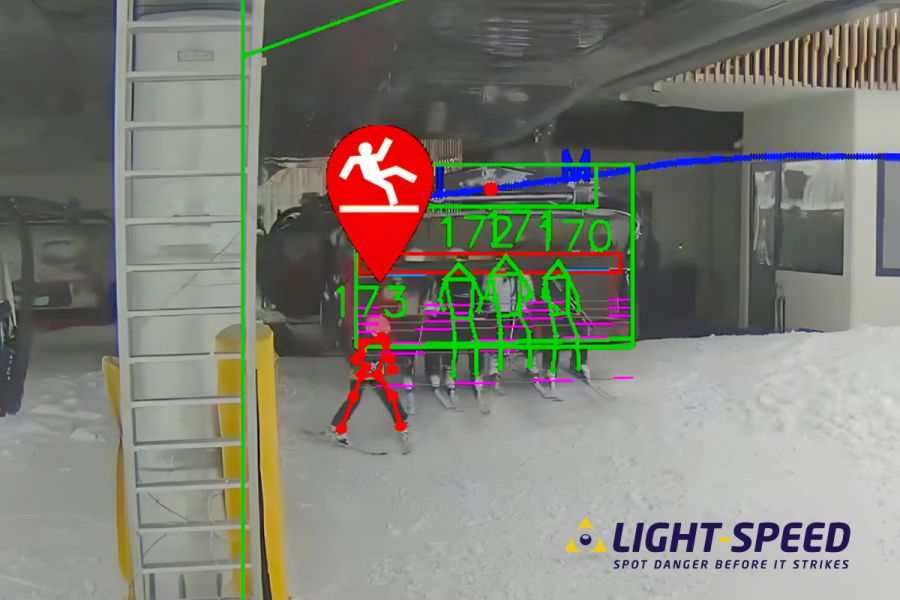
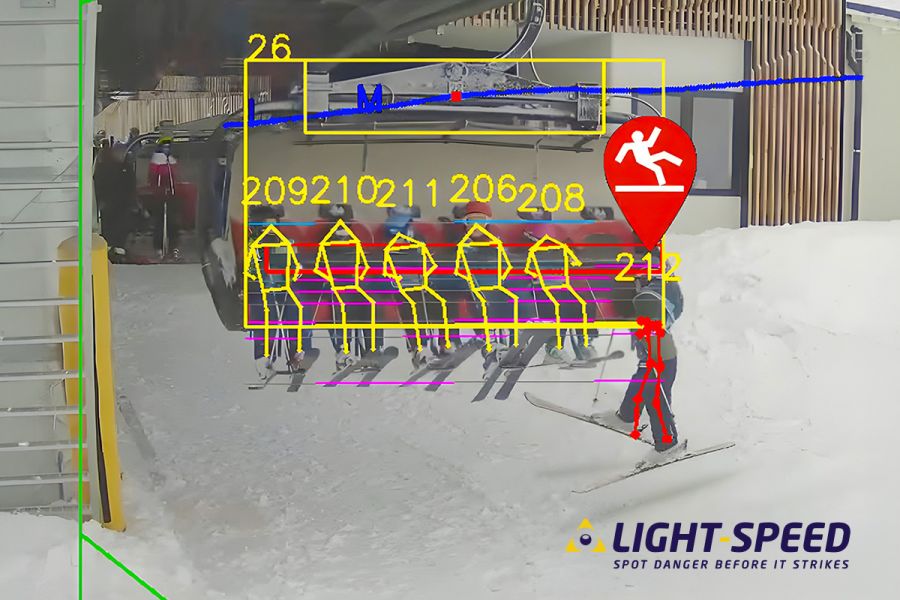
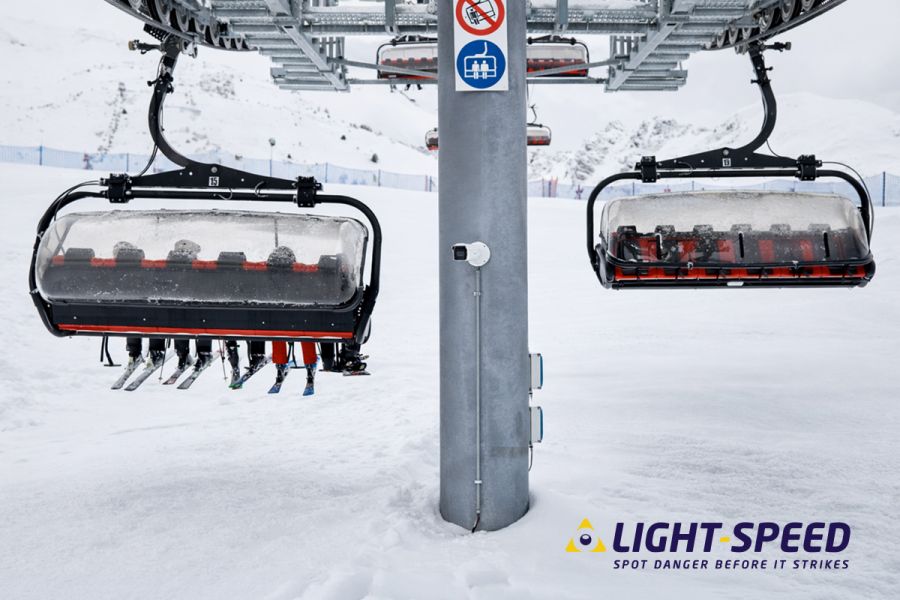
The integration of Computer Vision and AI by Light-Speed transforms passive video surveillance into active monitoring. A strategic technology for managing passenger flow and protecting lift attendants. In the ropeway sector, safety is not a static concept, but a dynamic balance between procedures, maintenance, and constant supervision. However, even in the most advanced stations, the human factor remains the most complex element to manage. Operators, exposed to high cognitive loads and environmental distractions, must monitor rare yet critical events in fast-changing contexts. This is the environment in which Light-Speed operates: a monitoring system that integrates Artificial Intelligence (AI) with the existing CCTV infrastructure, without invasive structural modifications, transforming video from a passive tool into a tireless “digital sentinel” capable of detecting danger in the split second between normal operation and an accident. Beyond the human eye: the digital Sentinel Operational data analysis shows that around 80% of critical issues in the sector occur during chairlift boarding. With capacities reaching 3,000 people per hour and vehicles passing every 5 to 10 seconds on average, the lift attendant faces an objective physical limit: they cannot simultaneously monitor both the immediate boarding phase and the chairs that have already started ascending. This is where Light-Speed’s Computer Vision comes in. The goal is not to replace the human operator, but to provide a “second pair of eyes” that never gets tired or distracted. As the payoff states, “Spot danger before it strikes,” the system detects danger precisely in that micro-moment between normal operation and a critical event, alerting the operator in real time. The most common scenarios: what the AI detects Training Light-Speed’s algorithms on proprietary datasets collected directly in the field has made it possible to map and prevent the most common risk situations:
From detection to prevention: response in milliseconds The technological value of Light-Speed lies in its ability to interpret context and spatial patterns. It does not simply “see”; it understands whether a movement is normal or whether it represents a risk. When an anomaly is detected, the system activates an acoustic and visual alarm in the station within milliseconds, giving the operator a useful reaction window of approximately 2.5 to 3 seconds to intervene and stop the lift before the situation becomes irreversible. In this way, safety shifts from a reactive approach — post-event analysis — to a proactive one, while remaining firmly guided by the human operator. Protection and data-driven Management Beyond immediate safety, adopting Light-Speed offers two strategic advantages for lift operators. On the one hand, it provides legal protection (Proof of Event): the system records technical data related to alerts, making objective evidence available for internal analysis and for handling possible disputes. On the other hand, the dashboard does more than simply display images: it organizes collected data into structured statistical information. Each transit is analyzed in aggregated form, making it possible to monitor passenger volumes, adult/child distribution, frequency of alerts, and the overall operational performance of the lift. As a result, the operator gains access to objective indicators for evaluating boarding efficiency, optimizing procedures, and planning staff deployment based on real data rather than estimates alone. Light-Speed is therefore a genuine tool for forward-looking operational strategy, supporting ropeway professionals where vigilance cannot be compromised. It brings intelligent automation into areas where safety is paramount, adapting to the existing infrastructure and making the mountain environment safer for passengers and less stressful for those who work there. |
|

ropeways.net | Home | Ropeways | 2026-04-24
 Back
Back Add Photos
 Print
PrintMore articles:
Sunkid: First 1,200 mm Type-N conveyor belt in Poland
2026-05-16
Sunkid: Mountain Coaster 2.0 in Romanias highest City
2026-05-09
Mount St. Louis Moonstone Invests Over $4.3 Million Ahead of the 2026/27 Season
2026-05-05
Google Adsense